How eSIM Is Changing the Way We Stay Connected
How eSIM Is Changing the Way We Stay Connected
For years, staying connected meant one thing: inserting a tiny plastic SIM card into your phone.
It worked. It was familiar. And most people never questioned it.
But mobile technology has moved forward. Our devices are smarter. Our lives are more global. We switch networks, travel across borders, and use multiple connected devices every day.
That’s where eSIM comes in.
eSIM isn’t just a new feature. It’s quietly reshaping how we connect, switch, travel, and manage our digital lives.
From Physical Cards to Digital Profiles
A traditional SIM card is a physical chip that connects your phone to a carrier’s network.
An eSIM does the same job, but it’s embedded directly into your device. Instead of inserting a card, you download a carrier profile digitally.
That small change has a big impact.
It shifts connectivity from hardware to software. And once something becomes software-based, it becomes faster, more flexible, and easier to manage.
Switching Networks Is No Longer a Hassle
In the past, changing carriers meant:
Ordering a new SIM card
Waiting for delivery
Physically swapping cards
Possibly visiting a store
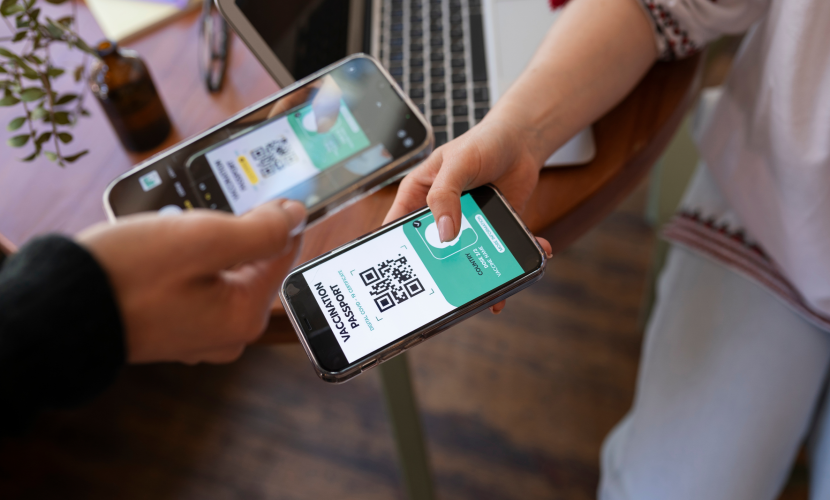
With eSIM, you can activate a new plan in minutes. Often, it’s as simple as scanning a QR code or using a carrier app.
This makes switching providers easier, which gives consumers more freedom. When switching becomes simple, competition improves. And when competition improves, service and pricing usually follow.
That’s a meaningful shift.
Travel Has Become Simpler
One of the biggest ways eSIM is changing connectivity is through international travel.
Instead of:
Paying high roaming fees
Searching for SIM vendors at airports
Removing your primary SIM
You can install a local or regional data plan before your trip.
You land, turn off airplane mode, and you’re connected.
You can even keep your home number active for calls and verification texts while using a travel data plan at the same time. That wasn’t always easy with physical SIM cards.
For frequent travelers, this changes the experience entirely.
Dual Numbers on One Device
Work and personal life don’t always fit neatly into one phone number anymore.
With eSIM, many smartphones support multiple profiles at once. That means you can:
Keep a work number and a personal number
Use separate data and voice plans
Switch between them in settings
There’s no need to carry two phones or constantly swap SIM cards.
As more people work remotely or manage side businesses, this flexibility becomes more valuable.
It’s Expanding Beyond Smartphones
eSIM isn’t limited to phones.
It’s already being used in:
Smartwatches
Tablets
Laptops
Connected vehicles
Smart home devices
These devices don’t have space for traditional SIM trays. Embedded connectivity makes remote activation possible without physical setup.
As more devices connect to cellular networks, eSIM provides a scalable solution that works across product categories.
This is part of a bigger shift toward an always-connected ecosystem.
Improved Security and Control
With a physical SIM card, someone can remove it from a stolen phone. That can complicate tracking and account recovery.
An eSIM is built into the device. It can’t simply be removed and inserted elsewhere.
While no system is perfect, this design adds friction to unauthorized access. It also makes managing and disabling plans remotely more practical.
That added layer of control matters in a digital-first world.
Faster Device Setup
Setting up a new phone used to require transferring a SIM card or waiting for a replacement.
Now, activation can happen digitally during setup.
Some carriers even allow direct eSIM transfer from one phone to another. That reduces downtime and simplifies upgrades.
As consumers expect instant setup for apps and services, mobile connectivity is moving in the same direction.
A Step Toward More Sustainable Tech
Every physical SIM card requires:
Plastic production
Packaging
Shipping
eSIM eliminates much of that.
While it won’t solve environmental challenges on its own, reducing small-scale plastic production at global scale does make a difference.
Digital delivery is simply more efficient.
Is This the End of Physical SIM Cards?
Not immediately.
Physical SIM cards are still widely supported. Many carriers and devices continue to use them.
But the momentum is clear. More manufacturers are prioritizing eSIM support. Some newer models rely on it exclusively in certain markets.
Like many technology shifts, it won’t happen overnight. But the direction is clear.
The Bigger Picture
eSIM is more than a new way to activate a phone plan.
It represents a broader shift toward:
Software-based connectivity
Remote activation
Global flexibility
Multi-device ecosystems
It removes small frictions that used to feel normal.
No more tiny cards.
No more store visits.
No more unnecessary waiting.
Connectivity becomes something you download and manage digitally, just like any other service.
And once that shift happens, it changes expectations.
We don’t just want to be connected.
We want to connect instantly, from anywhere, on any device.
eSIM is helping make that the new standard.

Which Devices Support eSIM in 2026
07 Jul 2025
Troubleshooting Common eSIM Activation Issues
07 Jul 2025

How to Use eSIM When Traveling Abroad
19 Apr 2025